
Product form
Deformed reinforcement bar, coil or another form changes handling, cutting and the applicable evidence.
State: State the form as the project schedule describes it.

Ghana · Steel Rebar
Build the quote around the project specification, rebar sizes, traceability and marking expectations, required evidence, inspection scope, Ghana destination and Incoterm — then review every assumption before shipment.
Specification-led enquiry — no obligation, and no price until your basis is confirmed
What this page sets up
Ghana-specific acceptance and import steps stay with the importer and project team. This page helps you get them into the enquiry rather than leaving them implied.
Ghana RFQ Readiness
Seven fields. Complete what you have — anything left open is carried into the enquiry as a question rather than guessed at.
0 of 7 inputs defined
Ready for commercial review when these inputs are confirmed.
Specification Alignment
Offers quoted on different product, tolerance or evidence bases cannot be compared — they answer different questions. Work through what each field actually decides.
| Field | What it decides | What you should state |
|---|---|---|
| Product form | Deformed reinforcement bar, coil or another form changes handling, cutting and the applicable evidence. | State the form as the project schedule describes it. |
| Governing standard | Sets the grade list, chemistry, mechanical class and marking convention the consignment must satisfy. | Name the standard the project specifies — not a default. |
| Grade | Determines the mechanical class the design assumes. Grades are not interchangeable across projects. | State the designation used on the drawings. |
| Nominal diameter(s) | Drives the bar schedule, cutting plan and the quantity arithmetic. | List every size in the schedule, not a range if the schedule is specific. |
| Cut / stock length | Changes cutting, wastage, packing and the transport envelope. | State whether random, stock or cut-to-length. |
| Tolerance / weight basis | The tolerance basis decides what mass is actually delivered against the quantity ordered. | Name the basis the order is measured on. |
| Bendability / weldability | Only relevant where the project's fabrication or detailing actually requires it. | Raise it only if the project calls for it. |
| Marking / rolling mark | Marking expectations differ by project and destination; a mismatch can hold a consignment at receiving. | State what the project expects to see on the bar or bundle. |
| Heat / lot / bundle traceability | Connects the delivered bundle to the record describing it. | State how identity must be marked and how it survives shipment. |
| Test certificate expectations | The evidence package the project will accept or reject at goods-in. | Request the certificate scope explicitly. |
| Quantity and unit | Sets the commercial basis on which offers can be compared like for like. | Give weight or pieces, with the basis stated. |
Deformed reinforcement bar, coil or another form changes handling, cutting and the applicable evidence.
State: State the form as the project schedule describes it.
Sets the grade list, chemistry, mechanical class and marking convention the consignment must satisfy.
State: Name the standard the project specifies — not a default.
Determines the mechanical class the design assumes. Grades are not interchangeable across projects.
State: State the designation used on the drawings.
Drives the bar schedule, cutting plan and the quantity arithmetic.
State: List every size in the schedule, not a range if the schedule is specific.
Changes cutting, wastage, packing and the transport envelope.
State: State whether random, stock or cut-to-length.
The tolerance basis decides what mass is actually delivered against the quantity ordered.
State: Name the basis the order is measured on.
Only relevant where the project's fabrication or detailing actually requires it.
State: Raise it only if the project calls for it.
Marking expectations differ by project and destination; a mismatch can hold a consignment at receiving.
State: State what the project expects to see on the bar or bundle.
Connects the delivered bundle to the record describing it.
State: State how identity must be marked and how it survives shipment.
The evidence package the project will accept or reject at goods-in.
State: Request the certificate scope explicitly.
Sets the commercial basis on which offers can be compared like for like.
State: Give weight or pieces, with the basis stated.
No grade or standard is presented here as the universal Ghana requirement. If you select a standard or grade, it is treated as your project's requirement — and the need for current destination and project verification stays explicit.
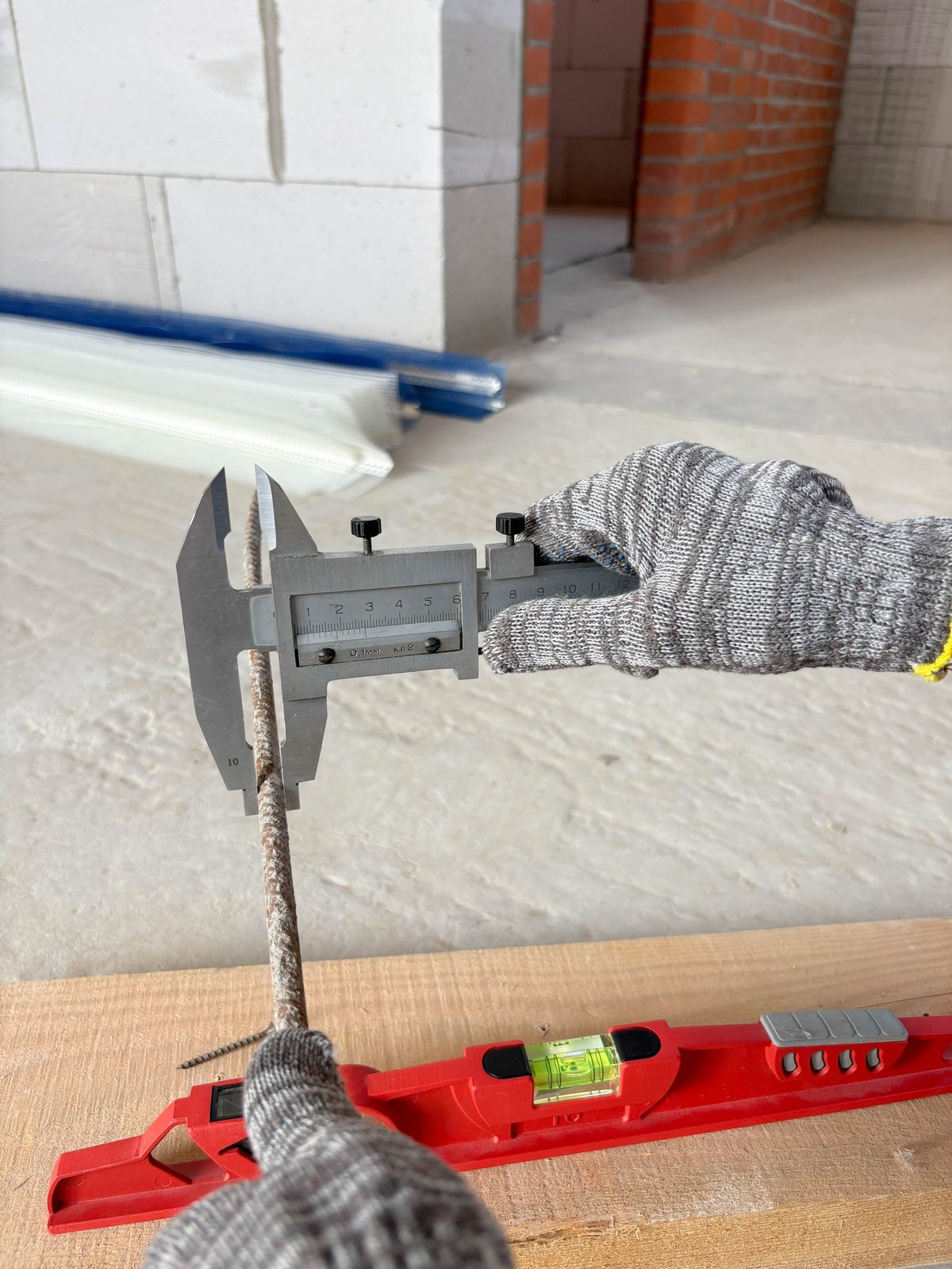
Size and identity are checked, not assumed
Diameter and bundle identification are the two things an inspector can verify physically before the paperwork is accepted.
GSA / GRA Evidence Questions
Ghana-side acceptance and import steps sit with the importer and project team. These are the questions worth putting to them before a consignment moves — drawn from the sources below.
Primary sources
This checklist supports RFQ and document planning. It is not legal, customs or regulatory advice. The Ghana importer or project team must verify the current applicable standard, conformity route, permits and customs requirements before shipment.
Documents & Inspection
Each row separates what the buyer requires from what the supplier confirms during quotation, and from who verifies it on the destination side.
| Item | Buyer requirement | Supplier response to confirm during quotation | Destination-side verification owner |
|---|---|---|---|
| Mill / test certificate or requested test report | State the certificate scope the project will accept, and the test evidence it requires. | Confirm the available certificate scope for the lot in the offer. | Importer / project quality function |
| Heat / lot traceability | State how identity must be recorded and how it must survive shipment. | Confirm how heat and lot identity is marked and recorded. | Supplier to state; buyer verifies at receipt |
| Bundle tags and bar marking / rolling mark | State the marking expectation the project and receiving point require. | Confirm what marking is applied and at what point in the process. | Importer / project team to confirm requirement |
| Packing list / bundle count and quantity basis | State the quantity basis the order is measured on. | Confirm bundle count, packing form and the mass basis used. | Supplier issues; importer reconciles |
| Third-party inspection | Select none, required, or to be confirmed — and name the scope if required. | Confirm whether the requested scope can be accommodated and when. | Buyer nominates; supplier accommodates |
| Dimensional / weight checks requested at inspection | State which checks the project wants performed and recorded. | Confirm which checks are performed and how they are recorded. | Buyer nominates; supplier reports |
| Country of origin / commercial documents | State the commercial and origin documents the destination requires. | Confirm which documents are issued with the consignment. | Supplier issues; importer verifies |
| Pre-shipment or import-conformity evidence | Confirm what your importer or project requires ahead of shipment. | Confirm what the supplier can provide against that requirement. | Importer / project team |
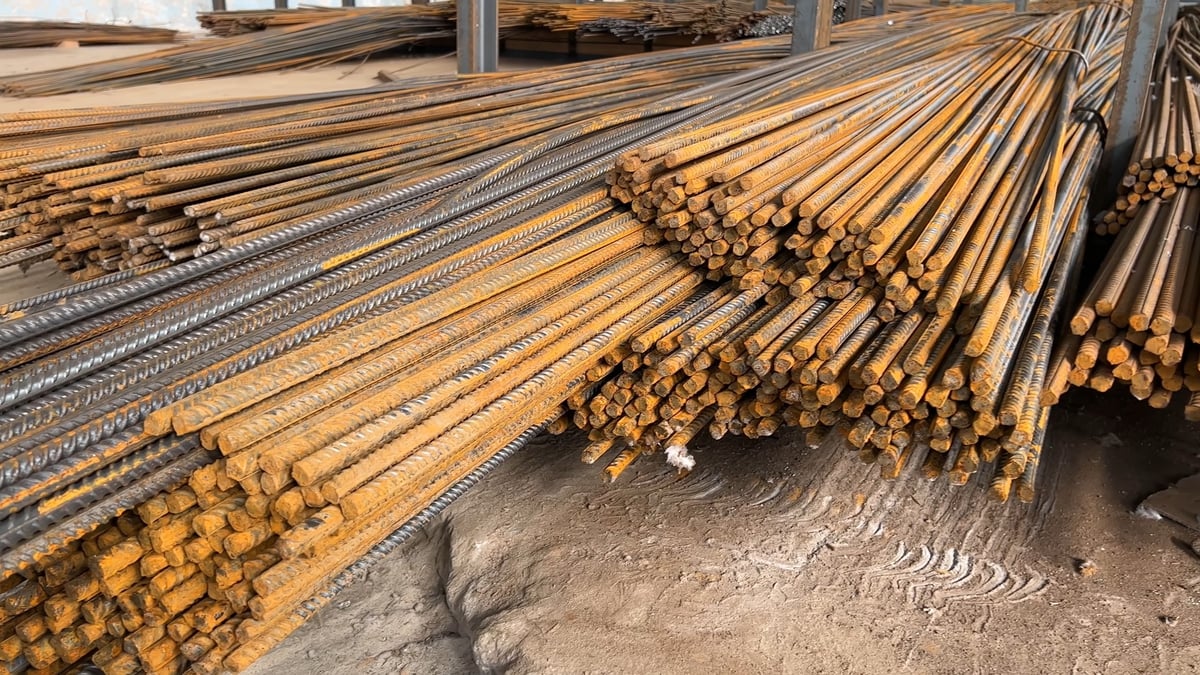
The bundle has to match the record
Bundle identification, packing list and inspection notes are what let the paperwork describe the steel actually delivered.
Ghana-Bound Shipment Basis
A destination basis left out of the enquiry becomes an assumption in the offer. Set it out here so the comparison is like for like.
Shipment basis card
Selecting Tema or Takoradi identifies the buyer's requested destination basis. It does not imply a fixed route, customs clearance, port handling, local delivery or a lead-time commitment.
Quote comparability. Product basis, packing, inspection scope, freight and destination basis, Incoterm and timing assumptions all have to be visible before two offers can be compared meaningfully. An offer missing any of them is not yet comparable.

The named place makes the offer comparable
The port or delivery point and the trade rule that applies to it are what turn a shipment plan into a comparison basis.
Technical Resources
Seven routes, each with the decision it helps you make. Nothing here is a general reference hub.
Use when the question is what the product family covers before narrowing to a form, size or evidence route.
Open the route Export-process contextUse when the question is how the export process runs rather than what the product is.
Open the route Form-specific requirementsUse when the requirement is specific to the deformed form rather than rebar in general.
Open the route Size schedule checkingUse to check a size schedule against a stated basis before it is written into the enquiry.
Open the route Mass referenceUse for planning only. Final ordered mass and acceptance must follow the agreed governing standard, dimensions and tolerance basis.
Open the route Quantity planningUse for planning only. Final ordered mass and acceptance must follow the agreed governing standard, dimensions and tolerance basis.
Open the route Application contextUse when the application condition, rather than the product, is what changes the requirement.
Open the routeRisk Reduction
Five steps that turn a bar schedule into an enquiry the commercial team can answer — and the importer can verify.
Expert Insight
For Ghana-bound rebar, the practical procurement risk is not solved by naming a grade alone. The RFQ should also make marking/traceability, conformity evidence, import-document responsibilities, inspection scope and destination basis visible so the importer and supplier can resolve gaps before shipment.
A source-backed procurement note — not a named-person profile and not a quoted endorsement.
Sources reviewed
These sources support RFQ-readiness and document-planning decisions on this page. They are not a certification, an approval, or customs and legal advice for a specific shipment.
Ghana RFQ Builder
This collects a comparable specification. It does not produce a price, a stock position, a delivery promise or a regulatory approval. The review panel shows exactly what is still open before you send.
Review My RFQ
This is what your enquiry currently contains. Select Review My RFQ to confirm it before sending.
If you would rather raise the enquiry directly, send this summary to sales@noordeirasteel.ae.