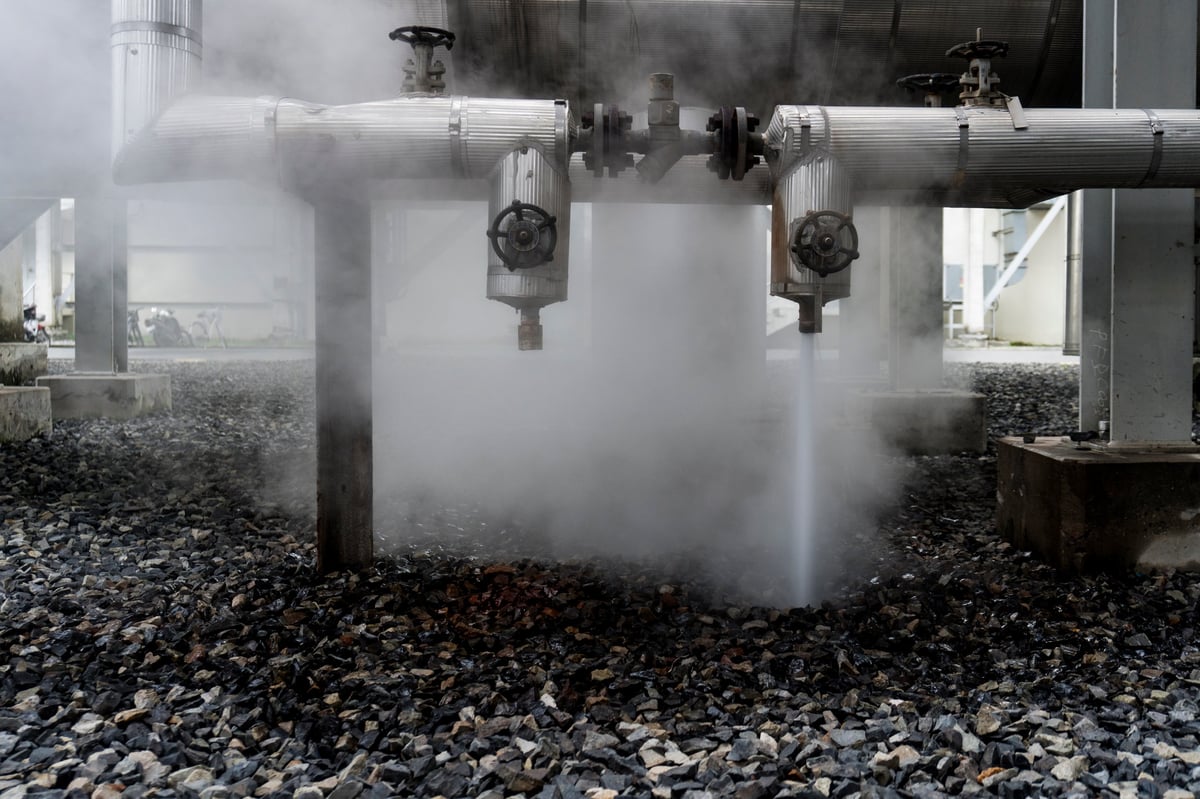
High-temperature pipe · ASTM A335 P11

ASTM A335 P11 Pipe

A335 P11 is a chromium-molybdenum alloy pipe for high-temperature service. Unlike a general carbon pipe, the buying decision here is not settled by the grade name alone — the design temperature and service, the heat-treated condition the pipe is supplied in, the tests the order carries and how the joints will be welded and treated afterwards all move together. The gate below works through those inputs so the enquiry reaches the desk complete, rather than discovering a gap at the weld.

Price on request. We publish no allowable stress, PWHT value or service limit — those follow the governing edition and your project's design code, and are confirmed against the requirement you state.

Design basis

Temperature, pressure and the service the line carries.

Grade

A335 P11 confirmed against the family, not assumed.

Condition & tests

Heat-treated condition and the ordered test package.

Weld planning

Joint procedure, PWHT and inspection, agreed early.

Condition and fabrication gate

Five inputs that decide whether a P11 order is complete

Four of these are required before a high-temperature enquiry can be reviewed at all. The gate reports what you have stated and what is still open — it deliberately will not supply a design temperature, a heat-treatment value or a welding procedure on your behalf, because each of those comes from the governing edition and your project's design code.

Design temperature, pressure and service Required

What temperature and pressure does the line run at, and what is it carrying?

Temperature
Service
Why this input decides the order

This is the input the whole grade choice hangs from. A335 P11 is a chromium-molybdenum alloy pipe intended for high-temperature service, and the design code uses the temperature and pressure together to establish what the pipe has to be qualified for. Without both, no one can say whether your design basis sits where this grade belongs.

The grade, confirmed as P11 Required

Is the requirement specifically A335 P11, rather than P22, P91 or another grade in the family?

Designation
Why this input decides the order

A335 covers several chromium-molybdenum grades built for different points in the high-temperature range. Two buyers saying 'alloy pipe' can mean entirely different grades, and the welding procedure and post-weld treatment that follow are specific to the grade chosen. Naming P11 exactly — and being sure it came from the design basis rather than a previous order — is the first gate.

The governing edition of the specification Required

Which edition of A335 is your project working to?

Edition
Why this input decides the order

The grades covered, the testing provisions and the marking requirements shift between editions. Two suppliers quoting 'A335 P11' against different editions are not quoting the same deliverable, which is why the edition has to be named before quotations can be compared on price alone.

Heat-treated condition and required test package Required

What delivery condition and which tests and documentation must the order carry?

Condition
Tests
Why this input decides the order

Alloy pipe for high-temperature service is supplied in a specified heat-treated condition, and the test package — mechanical, chemical, hardness and any supplementary testing your project adds — is fixed by the order and the governing edition. A test or treatment that was never written onto the order cannot be produced after the pipe is delivered, so it is settled here, not on receipt.

Welding, PWHT and inspection planning

If the pipe will be welded into spools or a header, what does the fabrication scope require?

Scope
Planning
Why this input decides the order

For a chromium-molybdenum alloy the joint is where the service heat, the welding procedure and the post-weld heat treatment all have to be planned together, against the design code. This is normally the fabricator's scope, but flagging it at enquiry lets the documentation you need — chemistry, hardness, the heat identity that travels with the pipe — be agreed now rather than discovered later.

Cannot be reviewed

Four items must be stated before this enquiry can be reviewed

Design temperature and service, the exact grade, the governing edition and the required condition and test package decide everything downstream. Work down the gate; it reports what is stated and what is still open, and it will not supply a design temperature or a treatment value for you.

  • Temp & service: design temperature, pressure or service not stated — the grade basis is undetermined
  • Grade: grade not pinned to A335 P11 — welding and treatment planning cannot start
  • Edition: edition not declared — quotations may not describe the same product
  • Condition: condition or test package undefined — a test not ordered cannot be produced later
  • Weld & PWHT: fabrication scope not stated — the joint-related documentation may be under-specified

0 of 5 items stated. The gate confirms that the inputs exist — it never asserts an allowable temperature, a PWHT value or a welding procedure.

Gate record

ASTM A335 P11 pipe — condition & fabrication gate record

Temp & service: [REQUIRED — NOT STATED]
Grade: [REQUIRED — NOT STATED]
Edition: [REQUIRED — NOT STATED]
Condition: [REQUIRED — NOT STATED]
Weld & PWHT: [open — to be supplied]

Supplier: Noor Deira Steel Trading L.L.C. — sales@noordeirasteel.ae — office +971 56 398 0860
Governing edition, heat-treated condition, test package and acceptance criteria to be confirmed at quotation.

A chromium-molybdenum joint carries three decisions at once — the welding procedure, the heat treatment that follows it and the examination the joint receives. How those are fixed is a design-code question for whoever owns the fabrication, which is why the gate asks for the scope rather than offering a procedure of our own.

Where P11 sits in the A335 family

P11, P22 and P91 are separate grades, not three strengths of one pipe

Buyers often ask about them together because one specification covers them all. That is exactly why they are easy to muddle on a requisition — the grade drives the welding procedure, the treatment after welding and the testing the order carries, so it has to come from the design basis rather than from what was quoted last time.

P11

This grade

A chromium-molybdenum alloy grade within A335, intended for high-temperature service. The design temperature, the delivered heat-treated condition and the test package are the inputs that shape a P11 order.

Confirm P11 came from your design basis, not from a previous requisition.
P22

Another grade in the family

A separate chromium-molybdenum grade under the same specification, used across a different part of the high-temperature range. It is not an upgrade path from P11 — it is a different material designation reached for its own design reasons.

Moving to P22 changes the weld procedure and treatment basis with it.

P91

A higher-alloy grade in the family

A further grade covered by A335, drawing on different alloying and its own fabrication controls. Selecting it belongs to a design decision about the duty, not to a supplier's preference for what is on the shelf.

A higher-alloy grade is not a drop-in for P11 — the joint discipline differs.

A reasonable fit when

  • The design basis names A335 P11 for a high-temperature service, with both temperature and pressure stated.
  • The governing edition of the specification is identified, so quotations describe the same deliverable.
  • The delivered heat-treated condition and the required test package are written onto the order.
  • Where the pipe will be welded, the joint procedure and post-weld treatment are planned with the fabricator.

Revisit the basis when

  • The service is not actually hot — a room-temperature duty belongs to a different specification entirely.
  • The grade was carried across from a previous project without re-checking whether P11 is what this design calls for.
  • The requirement was written as 'alloy pipe' without pinning the grade, the edition or the product form.
  • The joint treatment and testing were left as assumptions rather than agreed with the fabricator and the desk.

Read the surrounding grades before you settle this one — A335 P22 and A335 P91 sit in the same specification but not at the same point in the high-temperature range, and the A335 alloy pipe specification is where the whole family is organised.

Evidence and testing

What proves a P11 order is what your design asked for

On a high-temperature line the certificate is read against three things at once — the grade and edition the order invoked, the condition the pipe was supplied in, and the tests the order actually carried. Each record below answers one of those questions, and none of them happens unless the order asks for it.

Mill test certificate

The chemical and mechanical results for the heat, issued against the grade and the edition the order invoked — the core evidence a P11 requirement is read against.

Heat identity

The link that ties the certificate to the pipe you received. Without it the chemistry and mechanics describe some heat rather than your heat.

Mechanical test results

The tension and hardness results the order and the governing edition call for, performed on the basis those actually specify rather than assumed from the grade name.

Heat-treated condition

How the pipe is supplied after its heat treatment, evidenced so the fabricator's welding and treatment plan starts from a known condition.

Dimensional verification

Outside diameter, wall and length confirmed against the ordered dimensions and the standard's own tolerance provisions — which are read from the edition, not invented here.

Marking and traceability

The pipe and bundle markings that let the whole record set be read back against the consignment on receipt, grade by grade.

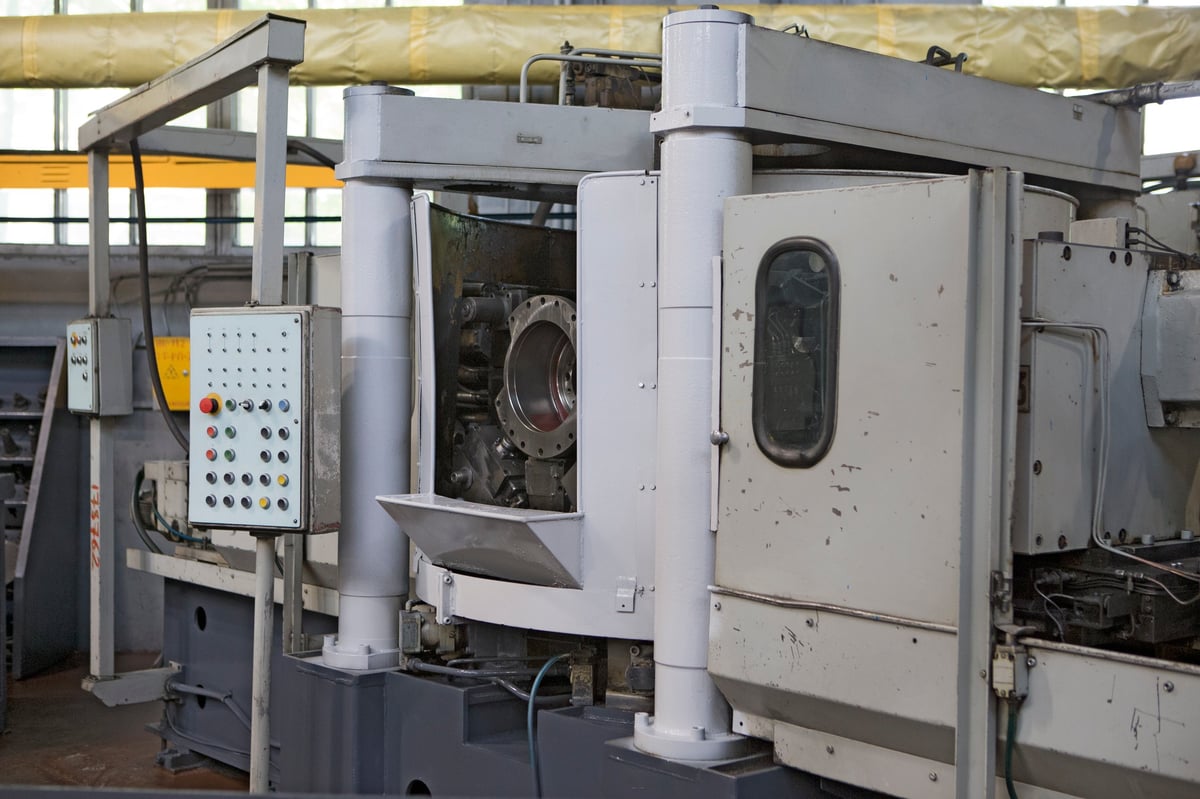
Heat-treatment and metal-processing equipment relevant to the delivered condition of alloy pipe
The condition the pipe is supplied in is a stated input, not a given — it is what the fabricator's welding and post-weld treatment plan builds from, so it belongs on the certificate and on the order.

Where A335 P11 genuinely applies

P11 is a service-driven purchase. These are the duties where it fits — not a claim that every hot line calls for an alloy grade.

  • Steam and condensate headersPipework carrying steam or hot condensate where the design temperature takes the duty beyond what a general carbon pipe is organised around.
  • Process and heater pipingHigh-temperature process lines and heater circuits where temperature and pressure together set the grade and the fabrication controls.
  • High-temperature spools and tie-insFabricated to the installed grade so a replacement spool matches the original designation, edition and treatment basis.
  • Power and boiler related pipeworkPipe runs serving power and steam generation where the design code governs the material and the joint treatment.

We do not publish allowable stresses, service limits or PWHT values for this grade. Those follow the governing edition of the specification together with your project's design code, and they are confirmed against the requirement you state rather than quoted as a headline figure here.

GCC markets

Where a P11 high-temperature order is coordinated

Destination changes the commercial and documentary side of the order, not the acceptance basis. Choose the market to see what each destination expects before the consignment is released.

These market pages are procurement destinations, not a claim of premises in each country. Supply is coordinated from Dubai and delivered against the destination and delivery date you state.

Compare and verify

The standards buyers most often reach for alongside a P11 requirement

An alloy grade is frequently specified where a carbon specification was actually meant, or the reverse. These are the neighbouring standards worth checking — together with the references that help you settle the order before it reaches the desk.

High-temperature steam pipework relevant to alloy pipe service and grade selection
Temperature and pressure are read together with the design code to establish what a high-temperature pipe has to be qualified for — which is why both belong on the enquiry rather than one alone.

Comparing across a standard family

A designation from one family is not an interchangeable part for a designation in another, and within the alloy family the grades are not tiers of one product either. Moving between them changes the alloy content, and with it the welding procedure, the treatment after welding and what the certificate has to demonstrate — so it has to be re-confirmed against your design basis rather than carried across from a grade name on an old requisition.

Where the requirement is a steel tube rather than a pipe, or the standard family is still open, check the product form first — the dimensional and standard basis changes with it, and so does what the certificate has to demonstrate.

Destination matters commercially on an alloy order — the UAE market page sets out how project coordination and release documents are handled locally, which is worth reading before you fix the delivery basis.

From stated basis to offer

How a completed gate becomes a firm quotation

The gate settles what the pipe has to suit. This is the sequence that turns it into a comparable offer, and the point at which each piece of evidence is actually tested.

  1. Design basis stated

    Design authority

    The temperature, pressure and service the line runs at are on the enquiry.

    Without them the grade choice cannot be judged.

  2. Grade and edition confirmed

    Buyer

    A335 P11, in a named product form, against a stated edition of the specification.

    An unstated grade or edition makes quotations incomparable.

  3. Condition and tests agreed

    Buyer and commercial desk

    The delivered heat-treated condition and the test package the order carries are fixed.

    A test or treatment not ordered cannot be produced afterwards.

  4. Fabrication scope flagged

    Buyer and fabricator

    Where joints are involved, the welding and post-weld treatment stay in view.

    A documentation gap shows up at the weld, not on the desk.

  5. Technical review

    Commercial desk

    The stated basis is read back against the governing edition and the project requirement.

    Conflicts surface here, before money is committed.

  6. Offer with commercial terms

    Commercial desk

    Availability, price, quantity and delivery confirmed on request.

    Commercial variables stay open until you supply them.

Send the completed gate and the desk comes back against your requirement rather than a standard package. Reachable Monday to Saturday, 8.00 AM to 6.00 PM Gulf time.

Request a Quote

Straight answers

The questions that come up on a P11 alloy pipe enquiry

These are the ones the desk fields most often from power and process buyers, answered the way they are answered there — including the parts that make the process slower.

01"Can we just take P22 or P91 instead if P11 is hard to get?"

Not as a sourcing convenience, no. They are separate grades within the same specification, chosen for their own design reasons, and moving between them changes the alloy content — which changes the welding procedure, the treatment after welding and what the certificate has to demonstrate. If a substitute grade is acceptable to your design, that is a decision for whoever owns the design basis, and it should be written onto the enquiry as the grade you now want. We will quote what your requirement states rather than quietly offering a different grade because it happens to be available.

02"Who is responsible for the post-weld heat treatment?"

The treatment of a welded joint follows from the governing design code, the grade, the wall thickness and the specific joint, and it is normally performed by the fabricator who makes the weld, against a procedure qualified for that work. What sits with us is the condition the pipe is supplied in and the documentation that travels with it, which the fabricator needs in order to plan the joint correctly. If your scope includes welded assemblies, say so on the enquiry and the fabrication basis can be discussed against the code you are working to — but we will not hand you a PWHT value as if it were a catalogue figure.

03"Do you quote welded or seamless pipe?"

To the form and manufacturing route your specification states. Both exist for high-temperature pipe, and which one is right depends on the design code, the pressure and temperature duty, the diameter and wall, and your project's own rules. Substituting one for the other because it is easier to source would put a decision in our hands that belongs in your specification. If your requirement gives the dimensions but leaves the form open, the enquiry should say so, and we will come back with what is offered and how each option is documented.

04"Which edition will you quote, and does it matter?"

We quote against the edition your project is written to, and it does matter. The grades covered, the testing provisions and the marking requirements move between editions, so two suppliers quoting 'A335 P11' against different editions are not necessarily offering the same deliverable. Naming the edition is what makes the prices you are comparing describe the same product. If you do not have it to hand, ask us to confirm the current one — but do not let it stay unstated and assume both offers meant the same thing.

05"What does the test package actually include?"

It includes what your order and the governing edition call for, plus any supplementary testing your project specification adds — and the honest answer is that the package is defined by those documents, not by a default list we would put on a page. What we can commit to is that the testing written onto the order is the testing performed and evidenced, and that the results travel with the heat identity so they can be tied to your pipe. Review the test scope before the order rather than assuming a standard package covers it.

06"Do you hold P11 in stock now?"

We do not publish stock positions on this page, because a figure written here would be stale by the time it mattered, and availability at this grade varies with diameter, wall, product form and testing requirement. It is confirmed against your stated basis, quantity and required date when the enquiry reaches the desk. That is the honest sequence: the answer you plan around is the one given for your order.

Frequently asked questions

ASTM A335 P11 — the questions that shape the order

Five questions high-temperature equipment buyers raise most often, answered without deferring the technical position to the quotation stage.

Is A335 P11 the same as A335 P22 or P91?

They belong to the same specification — A335 covers several chromium-molybdenum grades — but they are separate grades, not tiers of one product. Moving from P11 to P22 or P91 changes the alloy content and, with it, the design and fabrication basis: the welding procedure, the heat treatment that follows welding and the testing the order carries are all specific to the grade and the joint. We cover P11 and P22 and P91 on this site because buyers ask about the family together, but we do not treat any of them as an automatic substitute for another. If your design calls for a different grade, the requirement should say so, and the fabrication documents should be built for that grade from the start.

Does your supply need post-weld heat treatment, and do you do it?

Whether a welded joint needs post-weld heat treatment is an engineering decision that belongs to the governing design code, the grade, the wall thickness and the specific joint — not something a supplier can settle by itself. What we can tell you is how the pipe is supplied to you — its heat-treated condition at delivery — and what documentation the order will carry. The PWHT of a fabrication is normally performed by the fabricator against their qualified procedure. If your scope includes welded assemblies, state it on the enquiry and the fabrication basis can be discussed against the code you are working to.

Can you supply P11 welded or seamless?

Both forms exist for high-temperature pipe, and which one your requirement needs depends on the design code, the pressure and temperature duty, the diameter and wall, and your project's own rules on the product form. We will quote to the form and manufacturing route your specification states rather than substituting a different one because it is easier to source. If your requirement states the diameter and wall but leaves the form open, say so on the enquiry and we will come back with what is offered and how each option is documented.

Which edition of A335 do you quote against?

We quote against the edition your project is written to. Editions matter here because the grades covered, the testing provisions and the marking requirements move between them, which means two suppliers quoting 'A335 P11' against different editions are not necessarily offering the same thing. The edition is one of the inputs we ask for on the enquiry, and if it is not stated we will say so rather than assume the latest and leave the comparison to chance.

Is A335 P11 magnetic, and can that matter on site?

The chromium-molybdenum grades of A335 are ferritic steels. What matters in practice is not the pipe's magnetic behaviour as a curiosity but the one thing it drives: for a ferritic alloy joint the more common site technique is the magnetic particle examination of the root or the finished weld rather than the dye-penetrant method used more often on austenitic work. That is a joint inspection decision the fabricator makes against the governing design code and their own procedures. State the examination the order and the fabrication call for, and the test package is built to match.

Still settling the basis?

Send the enquiry with what you have stated and flag what is still open. The desk will tell you which inputs it needs before it can price, rather than returning a number built on assumptions.

Noor Deira Steel Trading L.L.C.

Office 3303, Churchill Executive Tower, Business Bay, Dubai, United Arab Emirates · Monday to Saturday, 8.00 AM to 6.00 PM, Sunday closed.

+971 56 398 0860sales@noordeirasteel.ae

Request a quote

Send the fabrication basis, not just the grade

Complete the gate as far as your project allows and send it with your requirement. The commercial desk confirms availability, price and the testing and documentation scope from what you state — price on request.

What a P11 enquiry needs

The design temperature, pressure and service the line runs at

The grade confirmed as A335 P11

The governing edition of the specification

Outside diameter, wall thickness and length

The product form — seamless or welded — if your spec fixes it

The delivered heat-treated condition and required test package

The welding and PWHT scope, if the pipe will be fabricated

Quantity, delivery point and required date

Prefer to talk it through?